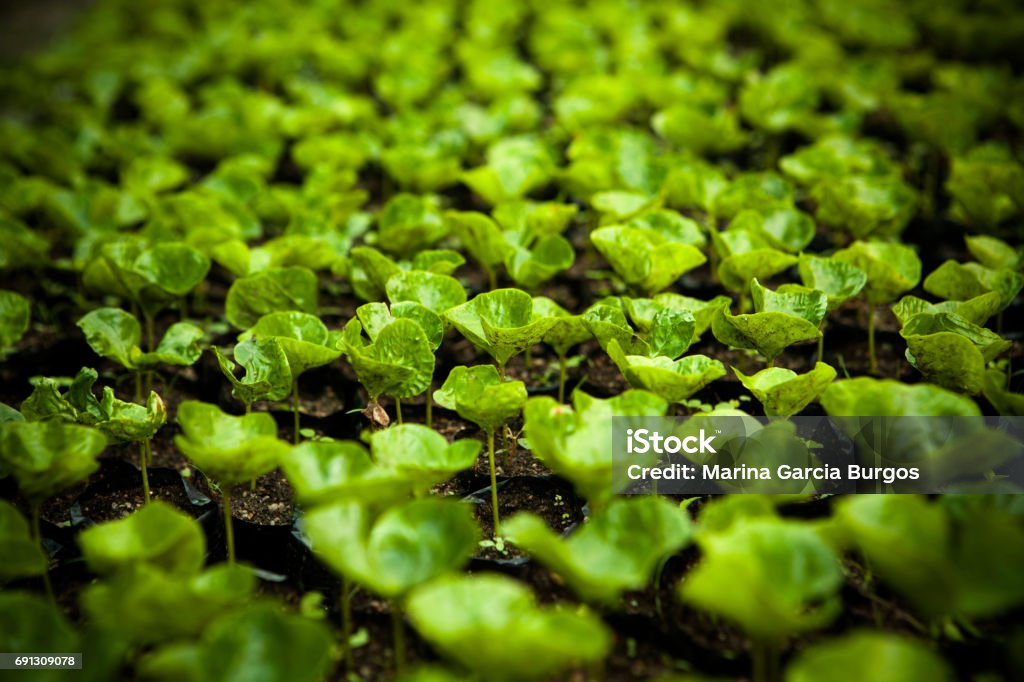
Detection of cochineal using physical characteristics of coffee through artificial vision.
Keywords:
Pluto Barberi; Coffee diseases; Convolution; Image processing; Precision, Artificial intelligence, coffee, coffee diseases, seedbeds, models.Abstract
This article presents a project for the detection of diseases in coffee plants using convolutional neural networks and
image processing. The details of the project are described, including the necessary steps to implement the proposed
technique and the results obtained. Common coffee diseases are discussed, and concepts of convolutional neural
networks and measurement metrics are explained. The methodology used to build the dataset, preprocess the images,
label them, and train the model capable of detecting diseases caused by the coffee mealybug Pluto barberi is also
described. The results obtained show high accuracy in disease detection in the images. Furthermore, future work is
mentioned, such as implementing the model for different coffee varieties and developing a real-time detection system.
Different object detection algorithms, such as R-CNN, Fast R-CNN, Faster R-CNN, and YOLO, are also discussed.
The results obtained show high accuracy in disease detection in the images. An accuracy of approximately 83% is
achieved in images external to those taken for the project dataset. The combination of Gaussian Laplacian is
highlighted as one of the best methods for coffee leaf detection, with an accuracy of up to 95%. This article is relevant
to the scientific community interested in the application of artificial vision and convolutional neural networks in the
early detection of diseases in coffee plants